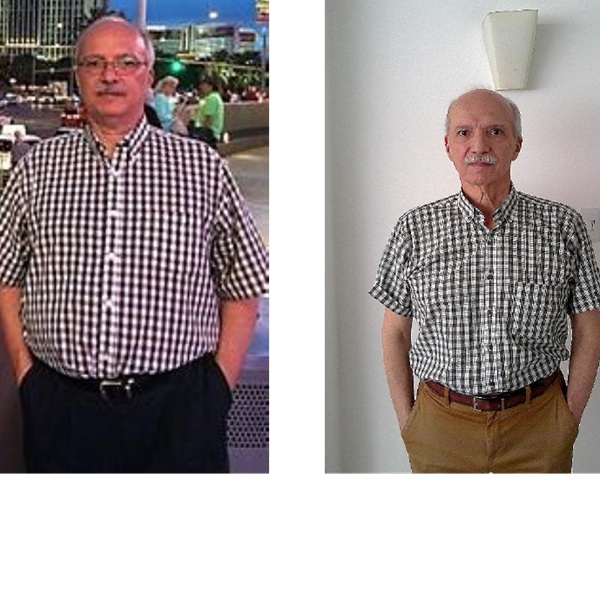
Weight loss after 40 becomes progressively more difficult, and most people feel it before they understand it.
What once worked easily in your 20s or 30s suddenly stops working.
Calories are reduced.
Exercise increases.
The scale barely moves.
Or worse, the weight returns.
Metabolism Slows, But Not for the Reason Most People Think
Yes, metabolism slows after 40.
But not dramatically.
The deeper issue is efficiency.
The body becomes more conservative with energy. It burns slightly fewer calories at rest, and it becomes more protective of stored fat. This makes sustainable weight loss after 40 biologically more complex.
It is not simply about “eating less.”
It is about how the body processes fuel.
Muscle Mass Gradually Decreases
After age 40, muscle mass begins to decline unless it is deliberately maintained.
Muscle tissue burns more energy than fat tissue, even at rest.
Less muscle means lower metabolic demand.
This subtle shift accumulates over the years, making weight loss after 40 feel disproportionately difficult.
Hormonal Regulation Changes
Hormones regulate appetite, fat storage, and glucose balance.
After 40, hormonal signaling becomes less precise.
Insulin sensitivity may decrease.
Cortisol responses may increase.
Recovery becomes slower.
The body becomes slightly less flexible.
And that matters.
The Body Becomes More Resistant to Extreme Measures
Crash dieting may produce short-term results.
But after 40, the body adapts quickly to restriction.
Metabolism adjusts downward.
Hunger signals intensify.
Energy drops.
This is why sustainable weight loss after 40 is rare, not because people lack discipline, but because biology becomes more defensive.
And often, when the crash diet ends, the weight returns, sometimes even higher than before.
The Real Question
“Why can’t I lose weight?”
The question is:
“What biological variables am I ignoring?”
In my own case, after 67, I stopped trying to manipulate everything.
I examined one biological variable seriously.
And observed what happened over three years.
That observation became this book.
A Different Way to Think About Aging and Metabolism
After 40, decline is expected.
After 60, weight gain feels common.
After 67, improvement is rarely anticipated.
But biology is not only decline.
Sometimes it is management.
Understanding why weight loss after 40 becomes difficult is the first step.
Understanding what to adjust — carefully and consistently — is the next.
Why Weight Loss After 40 Feels More Frustrating Than Before
Weight loss after 40 is not only more biologically complex but also more emotionally frustrating.
In earlier decades, small adjustments typically produced visible results.
After 40, effort and outcome no longer feel proportional.
You may exercise more and see less change.
You may eat carefully and see the scale remain stable.
This disconnect creates discouragement.
But frustration does not mean failure.
It often means the strategy no longer matches the biology.
What Changes After 60 Makes Weight Loss Even Harder
After 60, the same patterns that begin after 40 become more pronounced.
Muscle mass declines more rapidly if not intentionally preserved.
Insulin sensitivity may weaken further, making glucose regulation less stable.
Recovery from exercise takes longer.
Sleep may become lighter or more fragmented, affecting appetite hormones and energy balance.
These changes do not make weight loss impossible.
But they make random effort ineffective.
What worked at 35 rarely works at 65.
This is why many people experience cycles of weight loss and regain in their 50s and 60s.
The body becomes more protective of energy reserves.
Understanding these shifts is not discouraging.
It is clarifying.
And clarity is the beginning of better decisions.
Weight loss after 40 is not a question of willpower. It is a question of biological understanding.
As the body changes, strategy must change with it.
When effort aligns with biology, results become more stable.
When effort ignores biology, frustration increases.
The difficulty many experience after 40 is not failure. It is a signal that the method requires refinement.